
What is a great leader and what happens when they get it wrong? Could you name someone, or a group of people, who are leaders that you would follow, no matter what?
We often think of leadership as the cornerstone of organisational success. The ability of a leader to influence, guide and motivate a group of people toward achieving a common goal or vision. Whether that’s through providing direction, fostering collaboration or creating a culture of safety where people thrive.
There is no magic answer, and a great leader can inspire, motivate and create the conditions for people to thrive.
However, what if leadership is misapplied or neglected? In our experience, and working with the clients we help, sometimes leaders get it wrong. Successful teams can change quickly with leaders draining energy across teams, eroding trust and creating disengagement.
Over the years, working with hundreds of leaders across a diverse range of industries, it has been apparent how subtle shifts in leadership behaviour can either build resilience or slowly dismantle it.
As a psychologist, I have spent over 20 years studying, researching and applying the science of human behaviour to successfully improve work for people. It is clear that trends emerge based on leaders’ behaviour which impact, either positively or negatively, the morale, productivity, retention and culture of organisations.
How aware are leaders of their own behaviour? And, maybe more importantly, how can they change or manage it?
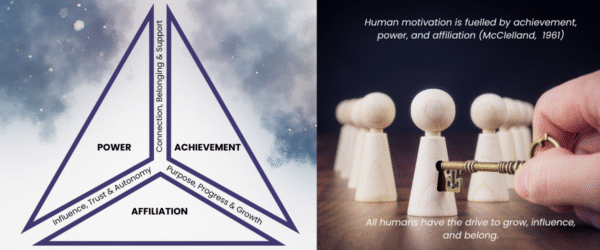
The first thing that any leader, or even person, need to be aware of is that humans have three core psychological needs at work. Whilst these have been defined through self-determination theory: autonomy, competence, and relatedness, there are other more modern theories which have gained popular approval (e.g. Dan Pink).
Either way, the important element here is that when leaders micro-manage, or fail to recognise or acknowledge contributions, they can begin to create a climate of fear through their approach which can undermine these basic human needs.
This means humans can struggle to feel safe which can result in:
- If autonomy is crushed or removed when employees feel controlled rather than trusted then employees can rebel or switch off, sometimes people call this quiet quitting
- When competence suffers, in terms of perception and feeling, perhaps feedback is absent, inconsistent or overly critical. People can avoid going above and beyond, or step back from offering help, or even suffer from more serious confidence and capability concerns which could be unfounded
- If relatedness disappears when leaders are distant, dismissive or play favourites, then divisions can be created, where people are not working together, and may even result in undermining behaviours if this persists.
So, over time this can mean teams feel powerless, unvalued and disconnected. Without a culture where people can speak up, what starts as mild disengagement can quickly turn into detrimental behaviours which impact productivity and results.
Talented people may leave, or presenteeism may increase where people stay in their role but mentally and emotionally check out, either way individuals and organisations suffer because:
1. Productivity Falls & Stress Rises
Research shows that disengaged employees are 37% more likely to be absent and 18% less productive. Beyond the numbers lies the emotional toll: when people feel demoralised by leadership, they experience higher stress, which impacts cognitive performance and people’s health and wellbeing.
From a psychological perspective, stress narrows attention, reduces creativity, and drives a short-term “survival mode” focus in individuals, so instead of contributing ideas, employees tend stick to the bare minimum, avoiding risks and staying safe. Innovation, the lifeblood of any organisation, subsequently flatlines.
2. Good Talent Leaves, Bad Habits Stay
Perhaps the most damaging consequence of poor leadership is attrition. High performers, who value growth, recognition, and trust, are the first to leave when leadership falters.
Those who remain often feel trapped, reinforcing cycles of low morale. After all, a leader is only as good as the worst behaviours they are willing to tolerate.
In organisational culture work, we often see this create a “toxic talent loop”:
- The best people leave.
- The disengaged stay.
- New hires sense the culture mismatch and churn quickly.
Increased workloads for HR and recruitment teams, more time wasted by managers hiring new talent, and rising damage to a businesses reputation as people share their experiences across their networks.
Before long, the organisation has lost not just individuals but institutional knowledge, creativity and credibility.
So the loop continues. How can we break the cycle?
3. Reversing the Damage As Leaders Shift
The good news is that leadership behaviours are changeable. Psychological theory research and practice offers leaders multiple practical ways to rebuild trust and motivation. Focusing on self, and what they can control is fundamental which can include:
- Role model psychological safety: admit mistakes, invite questions and reward candour by going their first
- Recognise efforts, not just outcomes: because people need to know their contributions matter.
- Share control: ensuring you involve teams in decisions that affect their work, creating a sense of togetherness.
- Coach, don’t command: because this will help people grow through feedback and support rather than criticism.
Leaders who shift from a directive to a facilitative styles unlock discretionary effort, which results in the energy employees choose to give improving in terms of quality and volume.
4. Culture Is the Shadow of Leaders
As culture specialists here at Think HQ, we know how leadership sets the tone for organisational culture.
A leader’s words, actions, and even silences ripple across teams, shaping behaviours and beliefs. Often what leaders don’t say can be as profound as what they do. When a leader, or a leadership team, is inconsistent or corrosive, organisational culture cracks form, often unnoticed initially – that is until productivity drops, attrition spikes, and reputations begin to suffer.
In our opinion, successful leaders treat culture not as an HR project but as their daily practice. They recognise that every decision, every meeting, and every conversation either reinforces or erodes the environment they are trying to create.
Because leadership isn’t just about vision or authority. Leadership is about creating the psychologically safe conditions for people to succeed. Get it wrong, and you don’t just lose productivity, you lose people. Get it right, and you unlock the collective potential of your teams and individuals.
Which is why we often remind leadership teams: culture is the shadow of leadership, because like in a horror movie it is the shadow people will either follow or flee from.
Reach out if you would like to discuss further how an aligned cultural strategy can drive productivity.