As you make a decision to invest in professionally hosted Away Days, it’s worth thinking beyond the direct Return on Investment (ROI) and think about some of the more indirect benefits too.
Key Benefits of Away Days
The benefits of hosting a Away Days for your team are many, some examples to consider:
Strategic Focus and Alignment:
Stepping away from day-to-day operations allows the team to focus on the bigger picture, define objectives, and align on the company’s mission and strategic goals without distraction. Your team will leave with a clear plan, next steps and importantly, accountability and ownership.
Better Financial Performance:
Studies show a direct link between effective leadership development programs and improved bottom-line financial results, including increased profitability and customer satisfaction. Check this study from the Center for Creative Leadership to find out more.
Stronger Company Culture:
Effective leadership fosters a culture of collaboration, trust, support, and innovation, making the organisation a more attractive place to work. This contributes to reducing employee attrition, and makes you more likely to be an Employer of Choice.
Professional Development:
Away days can be structured to include specific skill-building exercises or workshops, such as problem-solving challenges, or critical thinking problems. These help leaders develop their competencies and identify areas for growth. They also provide a platform for identifying and nurturing potential future leaders.
Improved Communication and Collaboration:
Away days facilitate face-to-face interaction in a relaxed setting, which is especially important for remote or hybrid teams. This helps break down departmental silos, encouraging employees to communicate more openly and naturally, leading to fewer misunderstandings and a more harmonious work environment back in the office.
Enhanced Morale and Motivation:
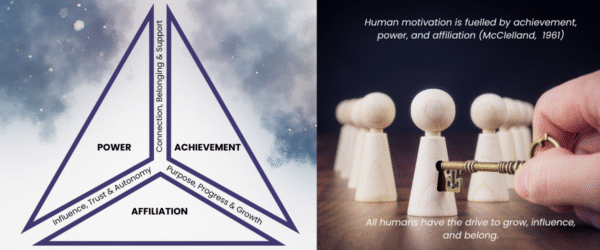
Removing employees from the stresses and demands of their everyday tasks for a day of engaging activities or focused discussion can significantly boost job satisfaction and loyalty. It shows that your company values employee well-being and is willing to invest in their positive experience, leading to a more energised and motivated workforce.
Personal Development:
Away Days can help leaders feel more confident when facing challenges, increasing their self-awareness. Participants learn to better understand their own strengths and weaknesses as leaders. In turn this can enhance skills like empathy, self-regulation, and social skills, which are critical for leading teams.
Stimulated Creativity and Innovation:
A change of scenery can spark fresh perspectives and “out-of-the-box” thinking that is often difficult to achieve in the regular workplace. Off-sites provide the necessary mental space for brainstorming new ideas, problem-solving, and exploring innovative approaches to current business challenges.
Stronger Team Bonding and Trust:
By engaging in shared experiences and challenges, team members can connect on a deeper, more personal level, fostering camaraderie and trust. This trust is vital for building a psychologically safe environment where team members feel comfortable giving and receiving honest feedback.
Leadership and Skill Development:
Away days can be designed with specific activities (e.g., problem-solving challenges, adventure sports) that allow employees to step into leadership roles, make decisions, and receive constructive feedback. This provides a platform for identifying and nurturing potential leaders within the organisation.
Increased Engagement and Motivation:
Investing time and resources in a leadership away day shows the team that their contributions and well-being are valued by the organisation. This can significantly boost morale, re-energise purpose, and renew motivation, leading to higher retention rates and a more engaged workforce.
Effective Change Management:
Our facilitated Away Days are an ideal time to discuss upcoming major shifts or challenges, allowing leaders to develop a unified response and effectively lead their teams through periods of change and uncertainty.
Want to Know More?
Get in touch with us to discuss your how our facilitated Away Days can help your business. Email steph@thinkorganisation.com to arrange a conversation.
More about Away Days
|
There’s more about Away Days in this Think Organisation Post: Away Days for Strategic Alignment
Alternatively, copy and paste this link into your browser: https://thinkorganisation.com/away-days-to-strengthen-strategic-alignment/ |