How to Reduce Organisational Hazards To Reduce Work-Related Stress

Organisations need to proactively manage workplace hazards to reduce the risk of stress for employees. This is a legal requirement. Stress is a physiological response to stressors, which can be individuals, environments or situations.
Leadership Fundamentals: Psychology, People, Purpose, Plans

Leadership is often defined as the ability to inspire, guide, and support a group of people toward achieving a shared vision.
Understanding Others: How To Drive Business Success

In today’s fast-paced, interconnected world, the ability to understand another persons point of view has never been more important.
Teaching Leaders How To Think: Ten Tips

Leadership today is more complex than ever, and as the world continues to evolve, leaders must face challenges that often have no historical precedent.
Humans need to learn how to think.
Struggling at work? Here’s How To Understand Your Frustration
Are you feeling frustration at not being able to achieve what you want in your job? Do you get annoyed with the other people?
How To Ensure Job Design Delivers Organisational Success
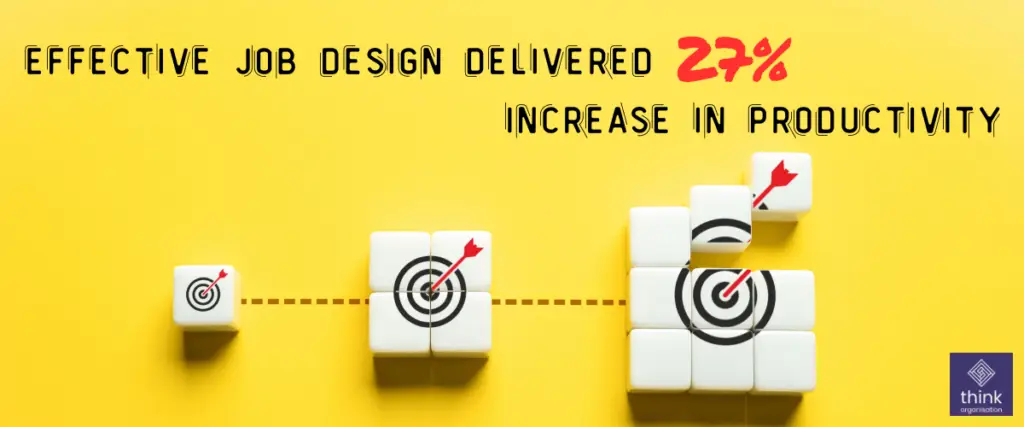
In the world of modern business, it can be difficult to know what to focus on first. Job design is one of those things which is vital to get right……
99 Ways a Business Psychologist Can Improve Your Workplace
There are many titles for a Business Psychologist which describe the expertise and application of psychological principles.
Losing Teaches Us How To Be Stronger Leaders

A game of football has a clear objective, to win by getting the ball in the net more than your opponents. Yet losing seems to spin millions of people into a negative spiral……
Leadership Insights 2024: Building a Strong Business Culture
Business culture impacts employee experience – it is the shared attitudes, beliefs, priorities and values which guide the behaviours of all employees……
Can Leaders REALLY Motivate Their Employees?
The role of the leader is to communicate culture. Some believe the role of a leader is to motivate others. In reality, the role of a leader is to unite a team, communicate culture, and model core values so that the team fosters harmonious and inclusive work environments….
Motivation: Understanding What Drives People at Work

The reason a person acts or decides to behave in a certain way is usually down to motivation. Motivation itself is not visible. It is an internal process. Motivation is the driving force behind human actions that initiates, guides and maintains goal-oriented behaviours……
Leadership in an Artificially Intelligent World.
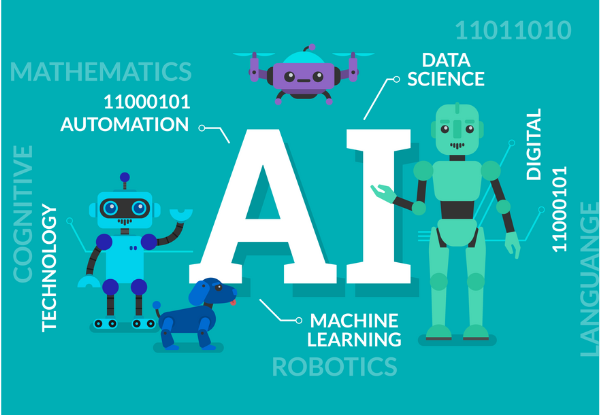
Artificial intelligence (AI) enables computers and machines to simulate human intelligence and to problem solve.
Human Behaviour and Artificial Intelligence: Why Their Connection Really Matters
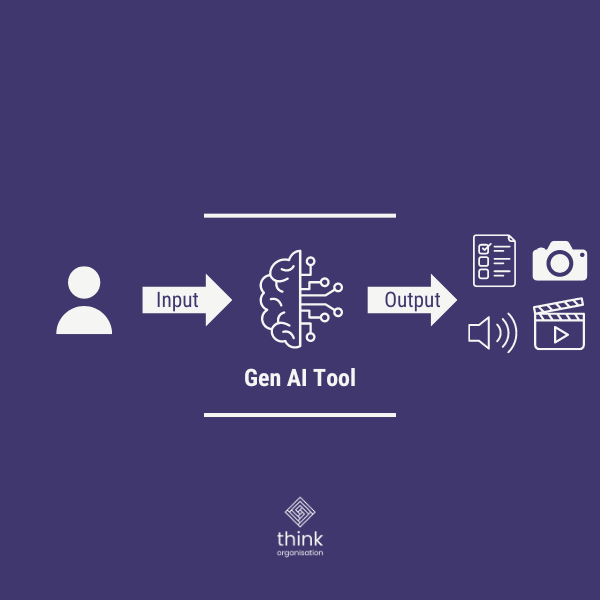
Artificial Intelligence (AI) is everywhere. First invented in 1950s, it is only recently that Artificial intelligence has become so prolific across society as a whole. Ten years ago AI was still a dream for the majority of us.
Critical insight for people who don’t have mental health issues.

Mental Health Awareness week is approaching, and undoubtedly, numerous companies will soon be sharing positive messages about mental health and well-being. Many will follow the same well-trodden commercial marketing plans. Raising awareness is crucial, but it must lead to tangible behaviour change to truly make a difference……
What Every Leader Needs to Know About Culture Consultants

Organisational culture is the way things are done in an organisation. Organisational Psychologists are taught how to assess and shape organisational cultures. There is extensive scientific research outlining ways to define, measure or manage culture……
THINK: How Can You Help People and Organisations Think?
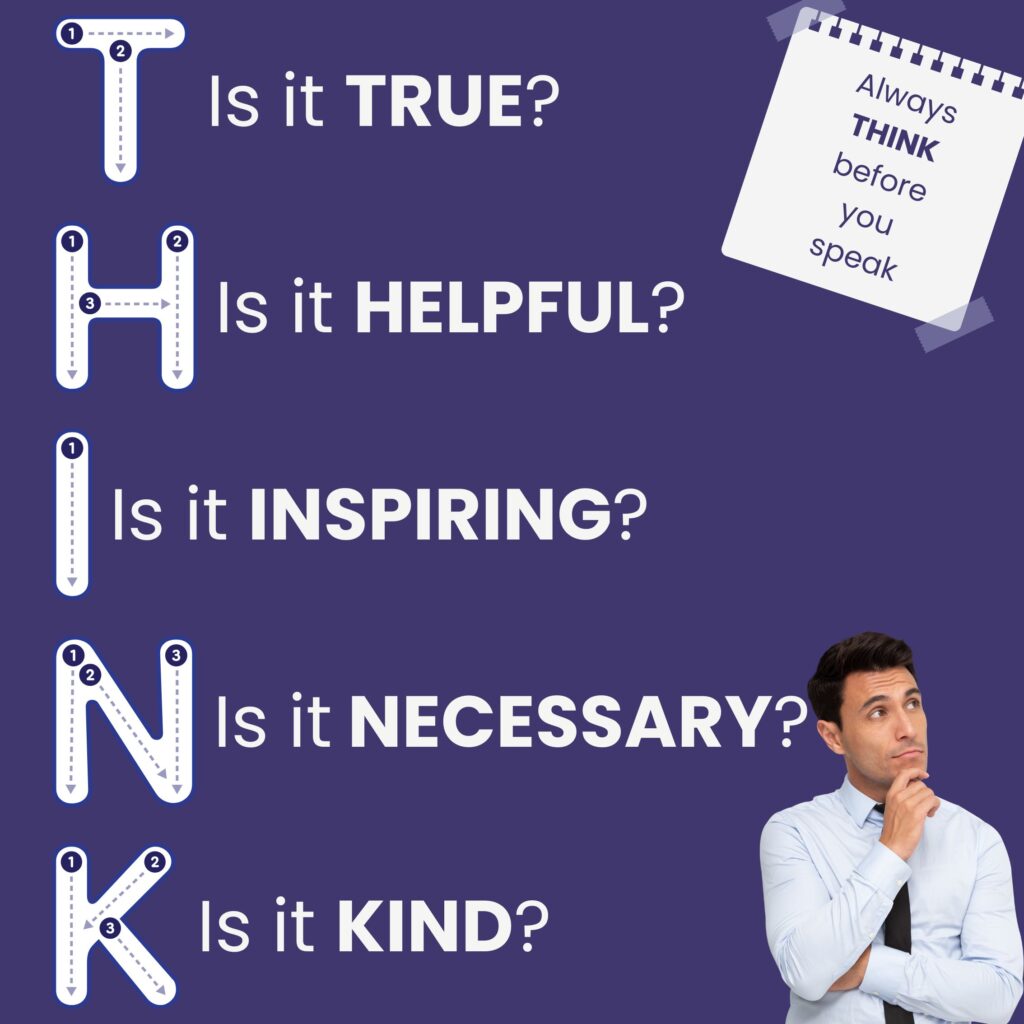
The co-founders of Think Organisation took many months to agree what the Think Organisation should be called because of the power of words. Words possess immense power, shaping beliefs, emotions, and actions.
How do you unlock employee engagement in the workplace?
We all spend a third of our lifetime asleep and a third of our lifetime at work (OWID, 2024), so it would be perfect if we could all enjoy our time at work.
How To Integrate Psychology Into Training To Deliver Optimal Results

In the UK, companies invest an average of £1,500 per employee annually on training (Employer Skills Survey, 2023).
Building artificial human relationships in the workplace.

Whilst face-to-face communication has traditionally been viewed as the most effective and efficient way to satisfy human needs for social connectedness (Grieve, 2013), technology platforms have increasingly been used to enhance and satisfy the same connectedness needs.